News & Stories
The Leopard of the Margallahs
September 26, 2026
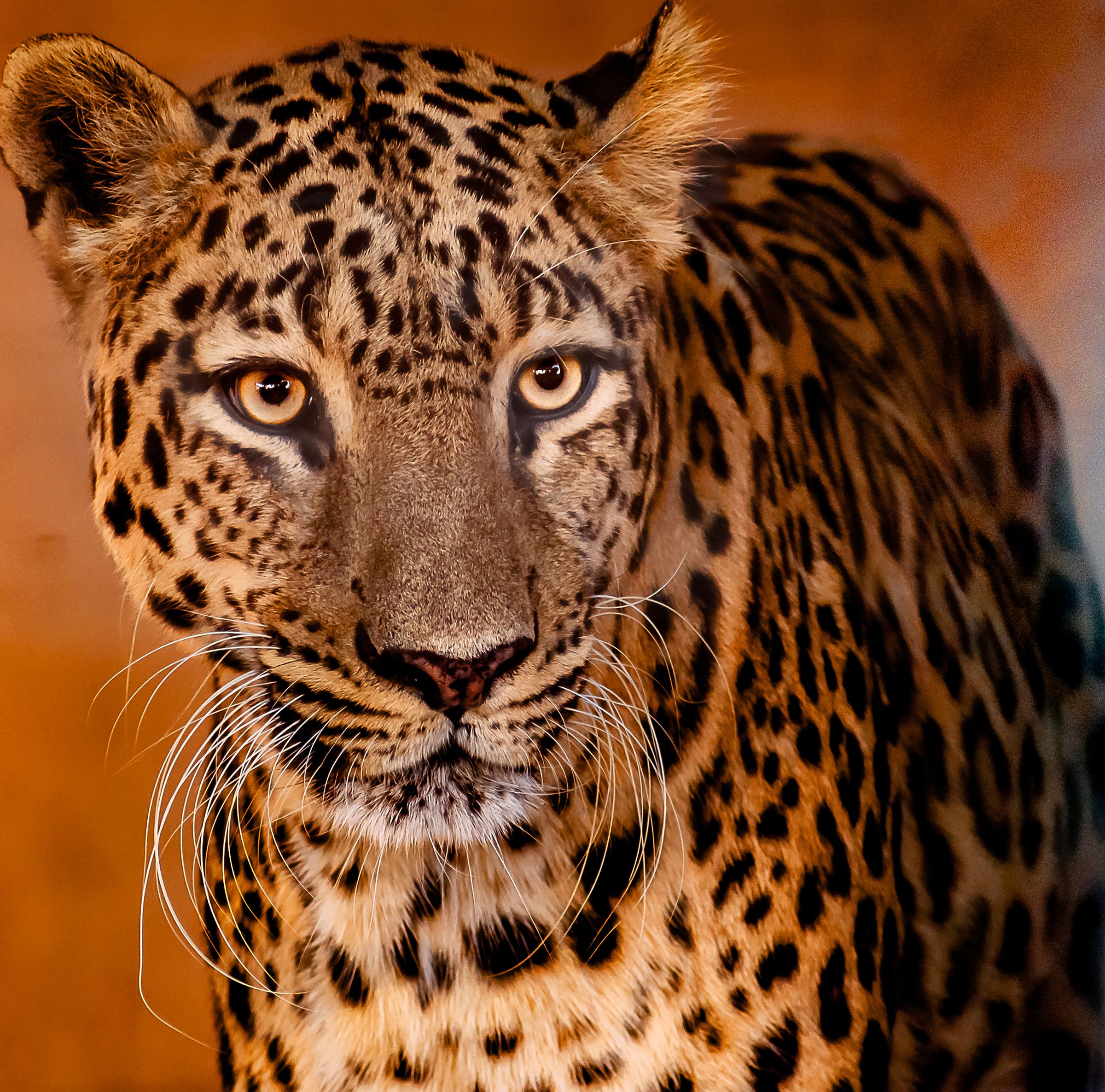
The common leopard is one of the Margallah Hills' most elusive inhabitants. For years, evidence of the animal in Islamabad was largely based on sightings and signs. A 2018 discovery on Trail 6 changed the picture: wildlife patrol staff found a leopard skull and claw, and subsequent analysis confirmed that the remains belonged to an adult leopard.
More recent research now provides a much stronger picture of how these cats use the national park. A 2026 Scientific Reports study analysed four years of systematic camera-trap data collected between 2021 and 2024 across 20 sites in Margalla Hills National Park. The researchers found that prey availability was an important factor associated with leopard occupancy, while distance from human settlements was an important factor for winter occupancy.
A landscape, not just a flagship species
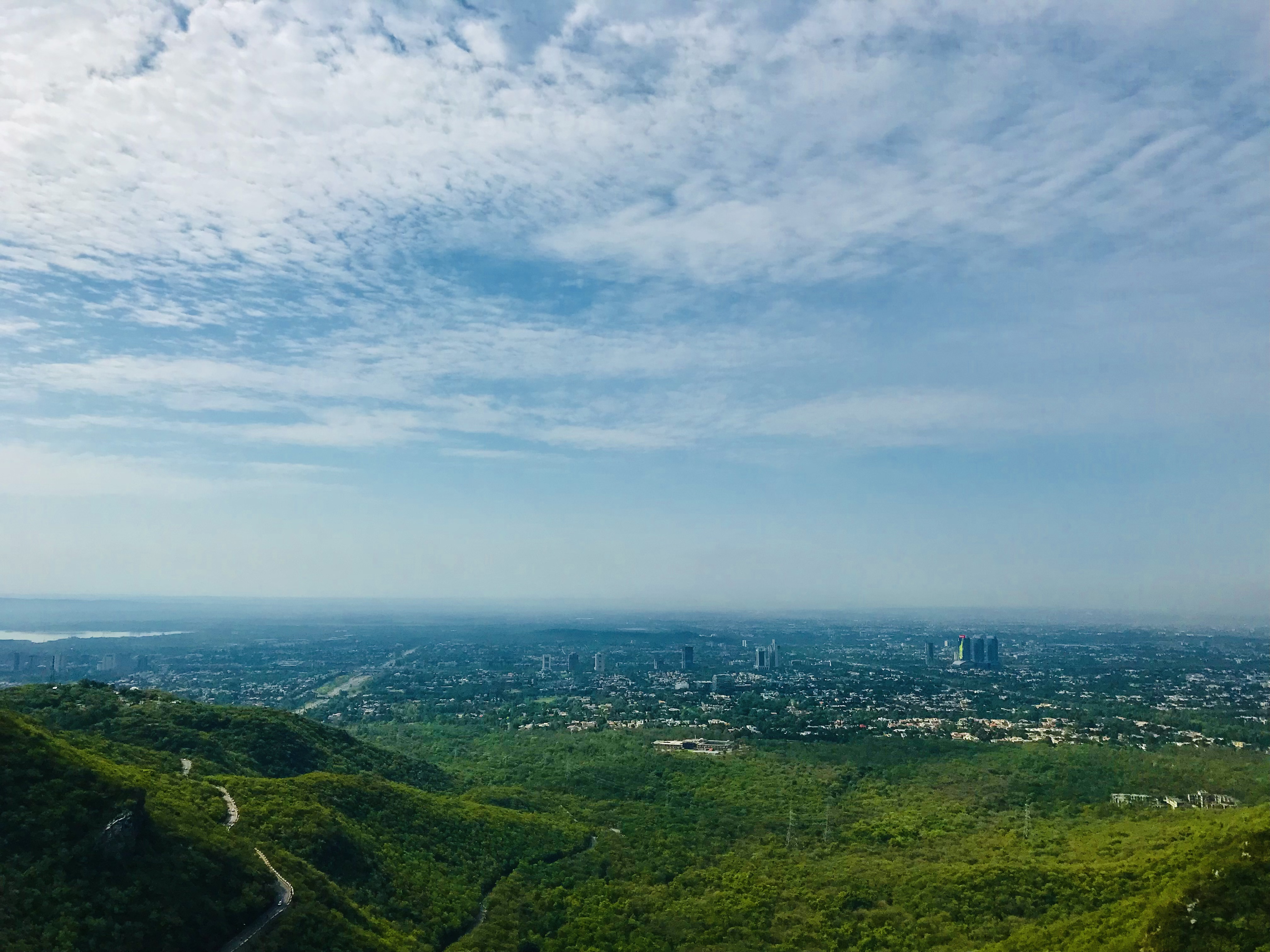
A leopard population depends on the wider ecosystem around it. Its presence is connected not only to protected forest, but also to the availability of prey and to places where wildlife can move without excessive human disturbance.
For visitors, this makes responsible behaviour essential. Leisure activities that disturb wildlife, particularly around areas known to be used by leopards, can affect both animals and people. The Margallahs are not only a recreational landscape; they are living habitat.